Blog
The importance of wildlife crossings
on Costa Rica's roads.
Costa Rica's biodiversity depends on connected habitats. Wildlife crossings help protect animals, drivers, and the ecosystems travelers come here to experience.
April 25, 2026
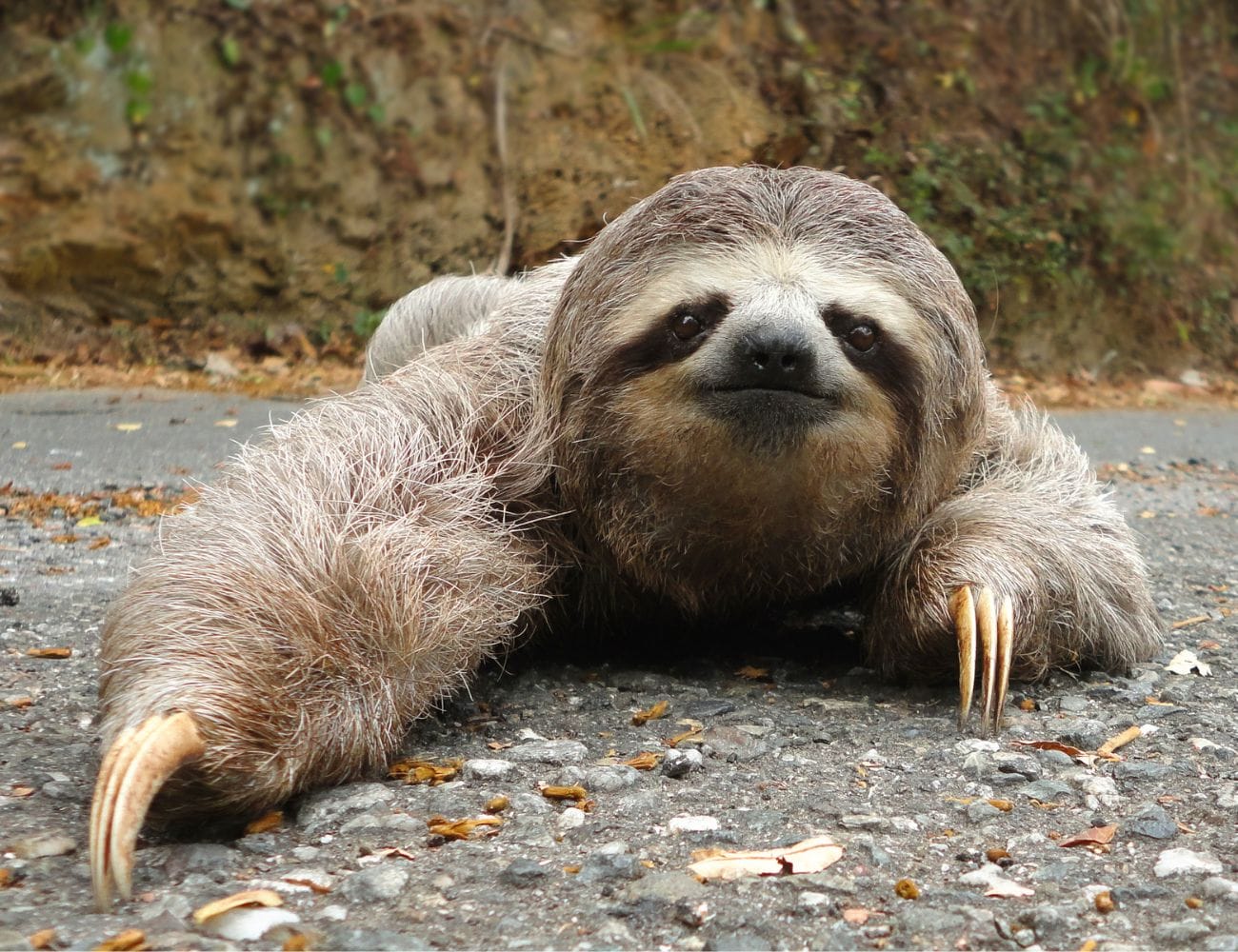
Costa Rica is world renowned for its rich biodiversity and commitment to environmental conservation. Road development, however, creates a serious challenge for wildlife moving in search of food, water, nesting areas, and connected habitat.
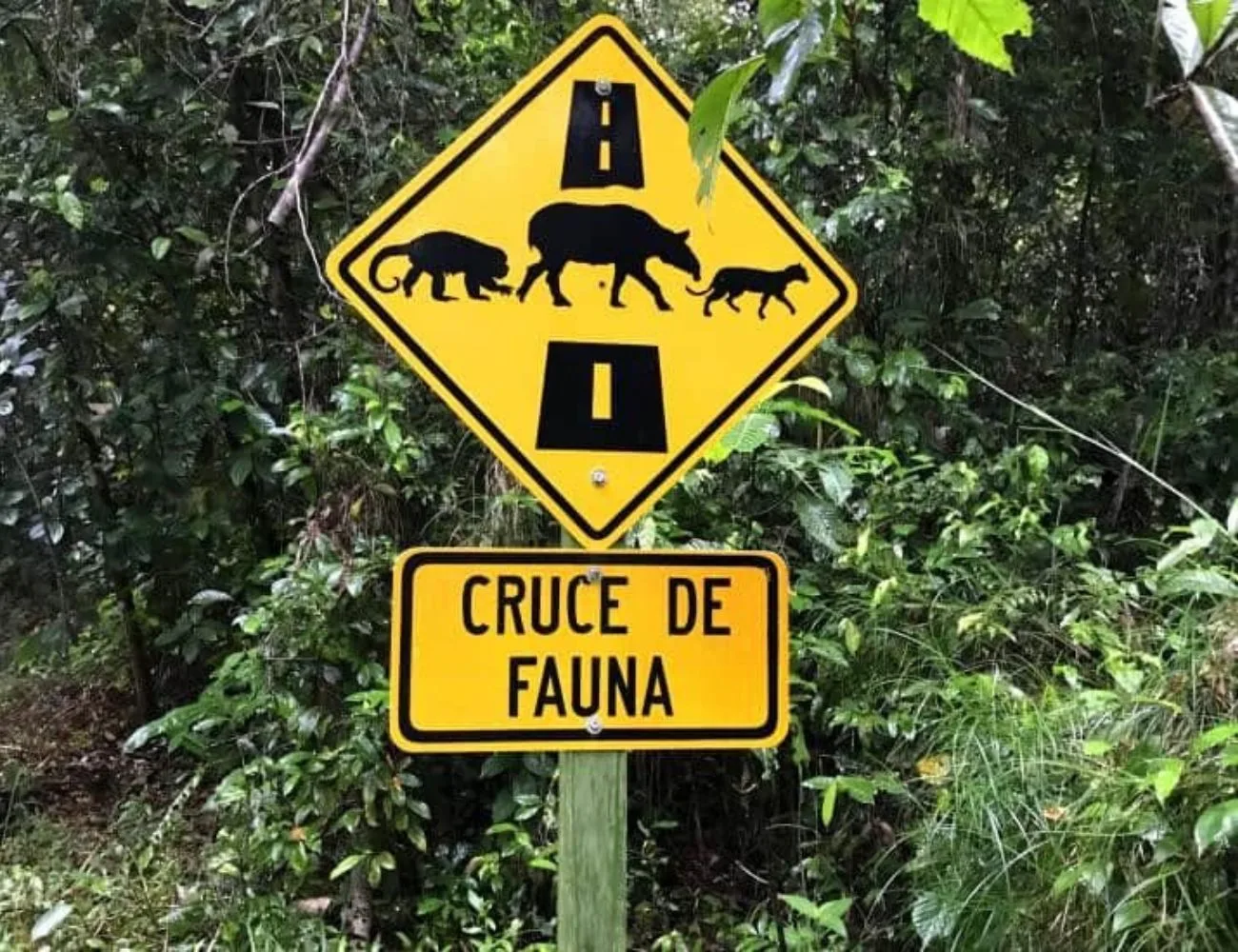
Wildlife crossings are structures designed to let animals cross roads safely. They may include aerial bridges, underpasses, adapted culverts, or tunnels depending on the species and the terrain.
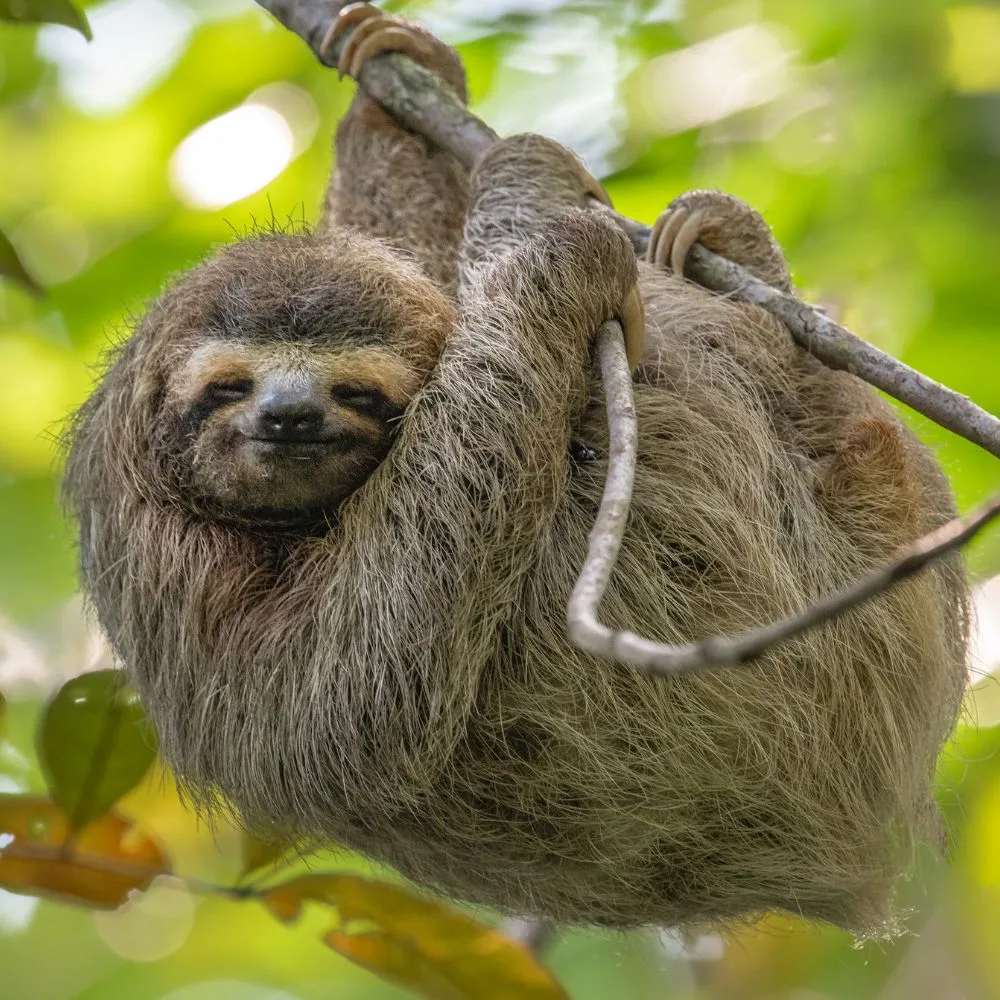
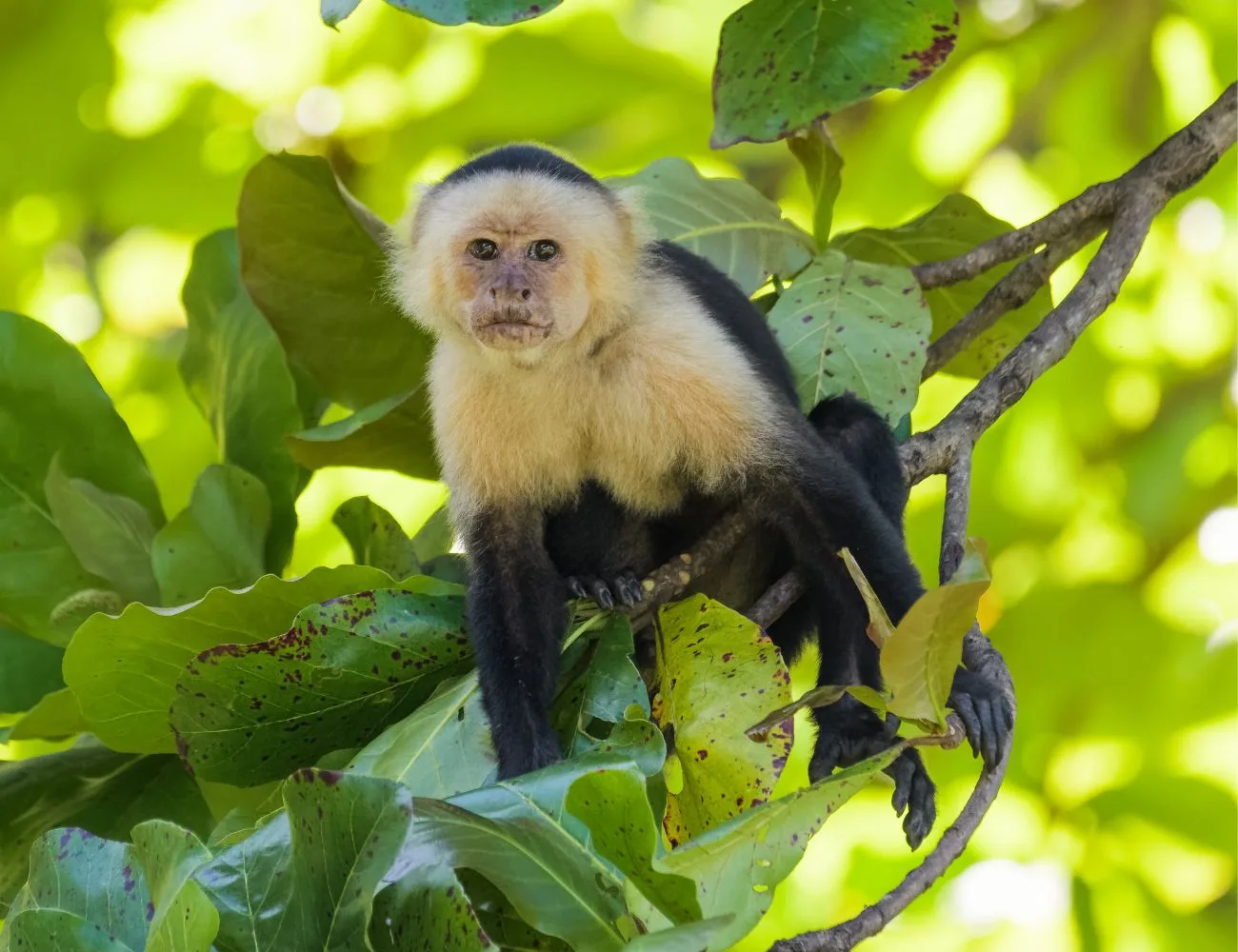
In Costa Rica, these crossings are important for monkeys, sloths, jaguars, tapirs, reptiles, birds, and many other species that need to move between forest areas to survive.
- Reduces wildlife deaths on roads
- Keeps ecological corridors connected
- Protects drivers and local communities
- Supports Costa Rica's conservation leadership
A conservation step that matters.
The original article highlights Costa Rica's progress toward requiring wildlife crossings in road infrastructure projects. The goal is to include conservation from the planning stage, not after habitats have already been fragmented.
For travelers, this matters because nature is the reason many people visit Manuel Antonio, Quepos, Rainmaker, Damas, and Costa Rica's national parks. Protecting animal movement keeps these places healthier for future visitors.